
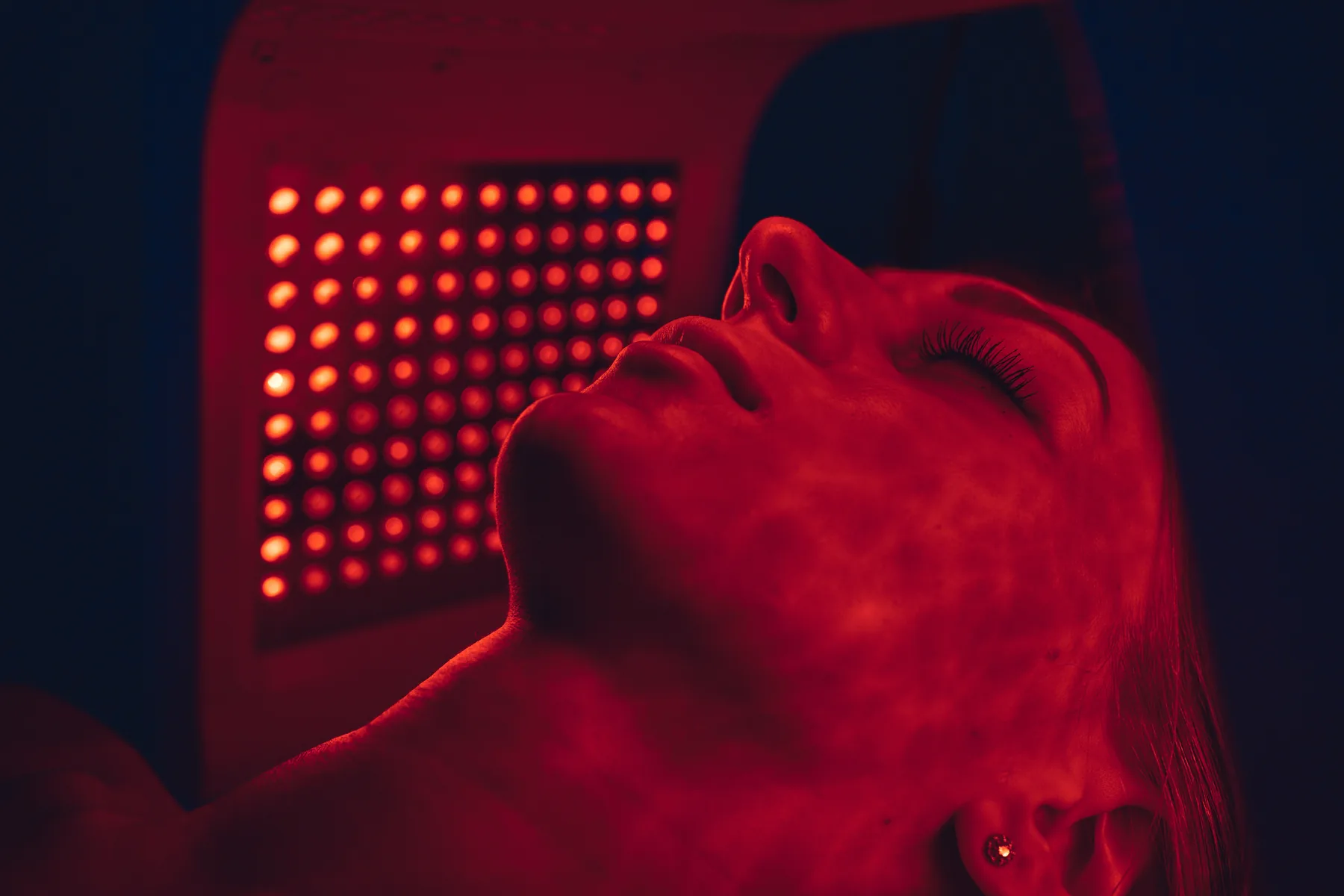
 Face
FaceDark Spots and Uneven Tone: What Facials Can Do
Which marks may soften with regular exfoliation and LED sessions, which need a dermatologist first, and the one habit that matters more than any facial.
Read the guide
Face · 6 min read
Puffiness is mostly fluid. Dark circles are mostly pigment, thin skin or shadow. What cooling and EMS micro-massage may change, and what they cannot.
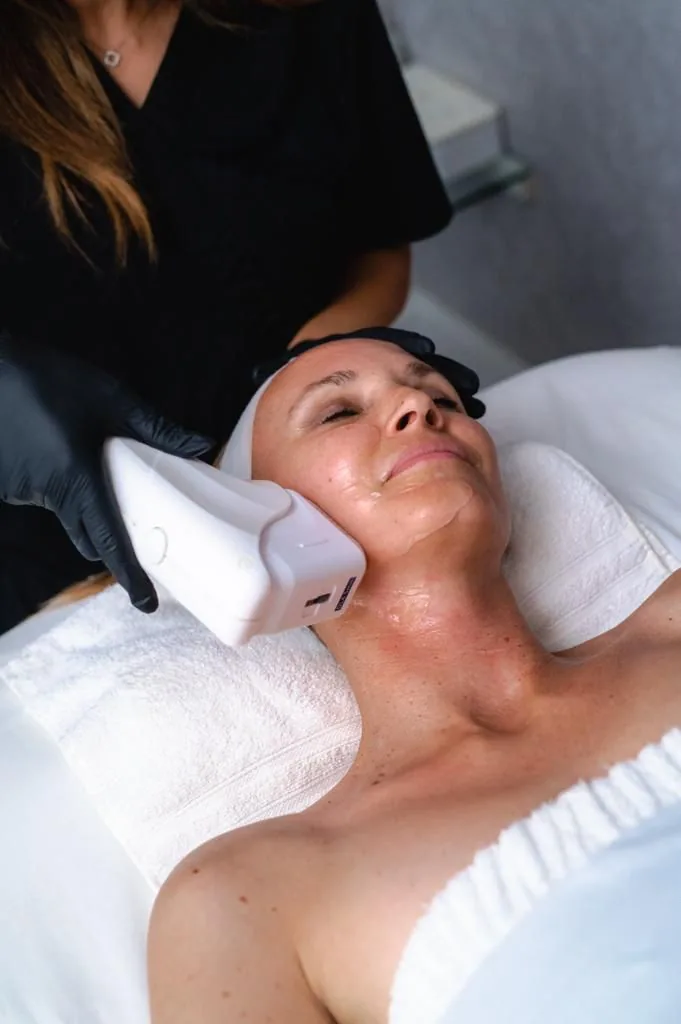
Anti-Aging Facial · From $250 · 60 min
Clients often use the two words together. Up close, we usually find one of two things, and sometimes both. Puffiness is swelling. The skin under the eye sits a little higher than the cheek, and the area looks full or soft. Dark circles are color. The skin under the eye looks browner, bluer or grayer than the skin around it, and swelling or de-swelling does not change that color.
The distinction matters because the two respond to different things. Puffiness is often fluid, and fluid moves. Cooling, gentle movement and better sleep may change how it looks within hours. Dark circles are usually pigment, vessels showing through thin skin, or a shadow cast by a hollow. None of those move. A quick test helps. Tilt your head back and look at the area in a mirror. If the darkness fades, it was mostly shadow. If it stays, it is mostly color in the skin. If a light press leaves a shallow dent that fills back in within a few seconds, fluid is likely part of it.
Most morning puffiness is fluid that settled overnight. Lying flat for seven hours lets fluid pool in the loose tissue under the eyes. A salty dinner, alcohol, a cry, a long flight or seasonal pollen can add to it. This kind of puffiness is usually worst on waking and eases through the day as you move.
There is a second kind that does not ease. As we age, the thin membrane that holds the soft tissue under the eye in place can weaken, and that tissue settles forward into a small, rounded bag. It looks the same at 7 a.m. and at 7 p.m. It does not change with sleep or salt. That is a structural change, and it is worth knowing which kind you have before you spend money. The fluid kind may respond to cosmetic care. The structural kind largely does not.
Cold narrows the small vessels near the surface of the skin for a short time. Less fluid moves into the tissue, and the area may look flatter and feel tighter while it is cool and for a while afterward. The difference in the spa is control. Our cryotherapy step uses an applicator chilled to −6 °C, moved over the under-eye area in brief, controlled passes. The applicator reaches that temperature, not your skin. It never rests in one place, and the specialist adjusts each pass to how you respond. More on how cold changes the look of skin is on our cold therapy page.
Many clients notice the under-eye area looks less full and more rested right after the session. The effect is usually strongest for the first day or two and then fades over several days. Results vary. Cooling does not change the membrane under the eye or the tissue behind it, so a structural bag may look slightly softer while the area is cool and then return to how it was.
EMS stands for electrical muscle stimulation. In an under-eye device it is used at a very low setting. The pulses create small, rhythmic contractions in the muscles around the eye, which most people describe as a faint flutter rather than a jolt. The idea is simple. Movement helps fluid move. A few minutes of gentle, repeated contraction may encourage pooled fluid to leave the under-eye area, much as a short walk helps a stiff ankle.
We sell the Undereye EMS Leader Device for home use; see our at-home devices page, and we are glad to show you how it works in the spa. We should be plain about what to expect. EMS is a micro-massage for the look of puffiness, not a change in the skin itself. It does nothing for pigment, and it does not lift a structural bag. Used regularly at a low setting, it may help the morning look settle a little faster. Results vary, and consistent use matters more than any single session. If you have a pacemaker or any implanted electrical device, EMS is not for you, and anyone with a health condition around the eyes should talk with a physician first.
Dark circles are where we have to be most honest. If the under-eye skin is darker because of extra pigment, which is common in many skin tones and often runs in families, no cooling or micro-massage will change it. If the darkness is bluish because the skin is thin and the vessels beneath show through, the same is true. Cooling may make those vessels look slightly less visible for an hour or so, and then they are back.
Shadow is the third cause. A hollow between the lower lid and the cheek reads as a dark line, especially under overhead lighting. Reducing puffiness can sometimes make a hollow more noticeable, not less, because there is less fullness to catch the light. We will tell you if that is what we see. For true pigmentation, including melasma that reaches the under-eye area, a dermatologist is the right first step. They can confirm the cause, and the cause decides what might help.
No device replaces the basics, and for the fluid kind of puffiness the basics do most of the work. An extra pillow gives fluid less chance to settle under the eyes overnight. If dinner will be salty, have it early rather than late, and keep alcohol light the evening before anything that matters. In the morning, hold a cool compress gently on the closed lids for a minute or two. If your eyes are itchy and puffy every spring and fall, pollen may be the driver, and a physician or pharmacist can suggest something more useful than any facial.
Rubbing is the one habit worth breaking. The skin under the eye is among the thinnest on the body, and repeated rubbing can leave it looking darker over time. Use a fingertip, not a knuckle, when you apply anything there.
Our services are cosmetic, not medical care, and some kinds of swelling around the eyes should be looked at before any facial. Swelling that is on one side only, came on suddenly, is painful, red or warm, or arrived alongside other changes in how you feel is not a cosmetic question. The same is true of puffiness that is new and steady and does not change with sleep, which can sometimes have a cause elsewhere in the body. A physician is the right person to rule that out.
Talk with your physician before booking if you are pregnant, have a pacemaker or another implanted device, have cold urticaria or another cold sensitivity, have an active skin infection near the eyes, or have had recent surgery or a procedure around the eyes. Tell your specialist about any eye conditions, contact lenses and anything you use on the area. They can lighten the passes or skip the under-eye area entirely.
If the under-eye area is your main concern, the cooling option inside our anti-aging plan is where we usually start; see our anti-aging facial page. That session is the cryotherapy facial, $325 for 60 minutes, which begins with a cleanse and exfoliation and then cools the whole face in controlled passes, with extra attention under the eyes. There is typically no downtime.
At your first visit to our Hulen Mall spa in Fort Worth, we will look at the area in good light, ask about sleep, salt and timing, and tell you which kind of puffiness we think you have. If it is fluid, cooling and a few habit changes may give you a more rested look that is easy to maintain. If it is structural or mostly color, we will say so, because an honest answer is worth more than a session that cannot do what you hoped.
It may temporarily make the under-eye area look flatter and less puffy, which can make the whole area read as more rested. It does not change pigment in the skin, and vessels that show through thin skin look the way they did within an hour or so. For dark circles themselves, a dermatologist is the right first step.
Follow the instructions for the device you have, since settings and timing differ. Gentle, regular use at a low setting is the usual approach, and results vary. Do not use EMS if you have a pacemaker or another implanted electrical device, and talk with your physician first if you are pregnant or have any condition around the eyes.
If the puffiness looks the same morning and evening and does not change with sleep or salt, it is more likely structural than fluid, and cosmetic cooling will make only a slight, brief difference. Swelling that is new, one-sided, painful or paired with other changes should be checked by a physician before any facial.
Treatments at Vearitea Wellness Spa are cosmetic and wellness services, not medical care, and are not intended to diagnose, treat, cure or prevent any disease. Results vary from person to person. If you are pregnant, have a pacemaker, cold urticaria, an active skin infection, or have had recent surgery, talk to your physician before booking.
If your under-eye area is the first thing you see in the mirror, you are welcome to book a session or a consultation and we will tell you honestly whether cooling is likely to help the look of it.
Keep reading
FaceWhich marks may soften with regular exfoliation and LED sessions, which need a dermatologist first, and the one habit that matters more than any facial.
Read the guide
FaceOur anti-aging facials at Hulen Mall are $250 for RF or LED and $325 for cryotherapy. What each hour includes, how a rotated series is priced, how to compare.
Read the guide
FaceRF warmth, red and infrared LED, and cooling compared for fine lines, why many clients rotate, and what facials cannot do for deep wrinkles or lost volume.
Read the guide